Product lifecycle management (PLM) can be defined as an information strategy: it builds a coherent
data structure by consolidating systems.
You can also call PLM an enterprise strategy: it lets global organizations work as a single team to design,
produce, support and retire products, while capturing best practices and lessons learned along the way.
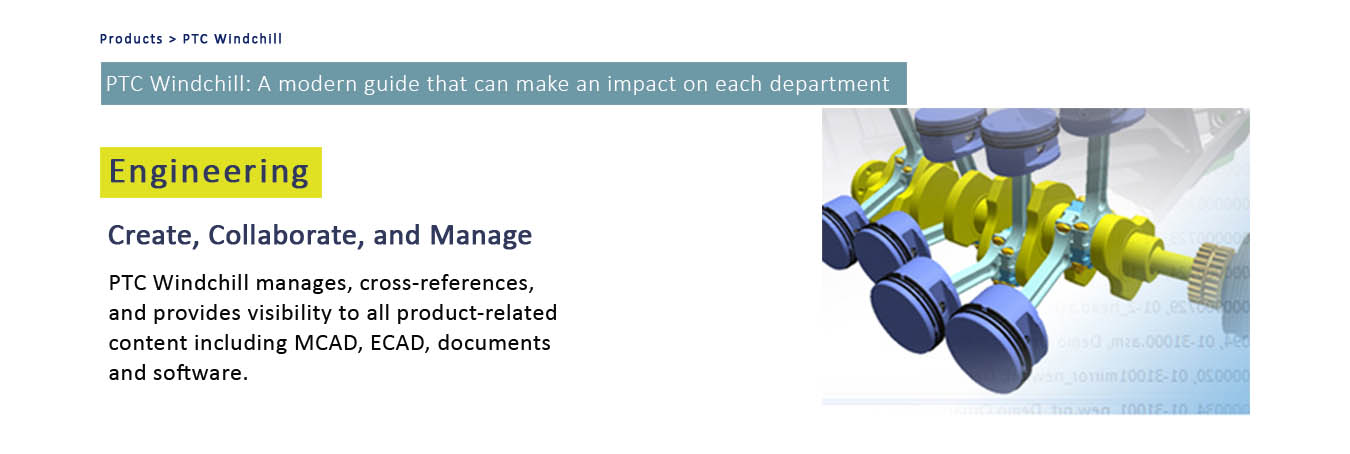
Product Lifecycle Management (PLM) software allows companies to manage the entire lifecycle of a product efficiently and cost-effectively, from ideation, design and manufacture, through service and disposal. Computer-Aided Design (CAD), Computer-Aided Manufacturing (CAM), Computer-Aided Engineering (CAE), Product Data Management (PDM) and Manufacturing Process Management (MPM) converge through PLM.
PLM is unique from other enterprise software solutions because it drives top-line revenue from repeatable processes. By providing the application depth and breadth needed to digitally author, validate and manage the detailed product and process data, PLM supports continuous innovation.
Product Lifecycle Management Software Redefines Business
------------------------------------------------------------
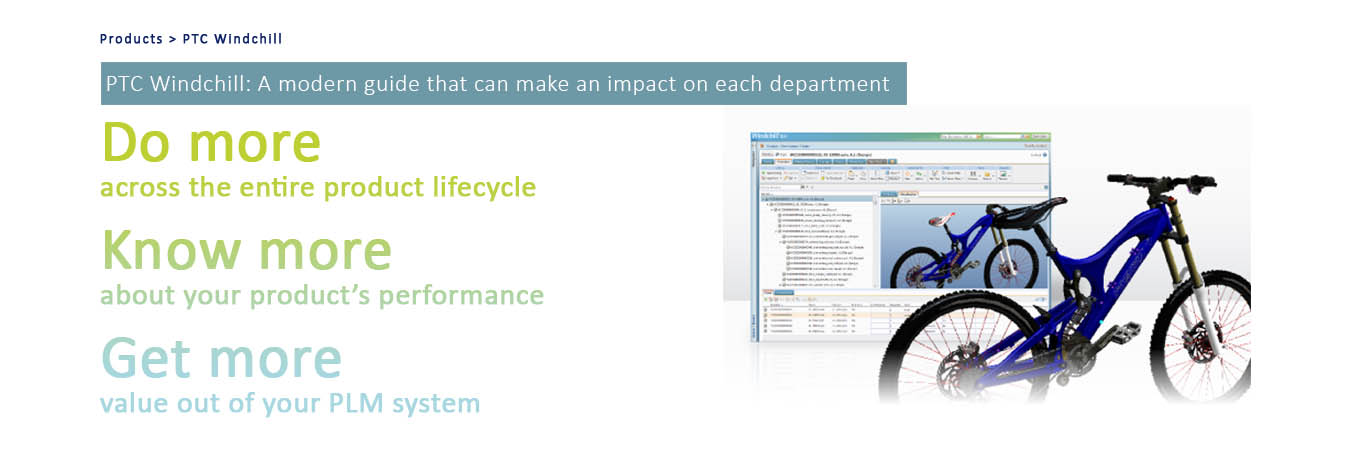
PLM empowers your business to make unified, information-driven decisions at every stage in the product lifecycle. PLM solutions establish a cohesive platform to:
Optimize relationships
along the lifecycle and across organizations.
Maximize the lifetime value of your business' product portfolio.
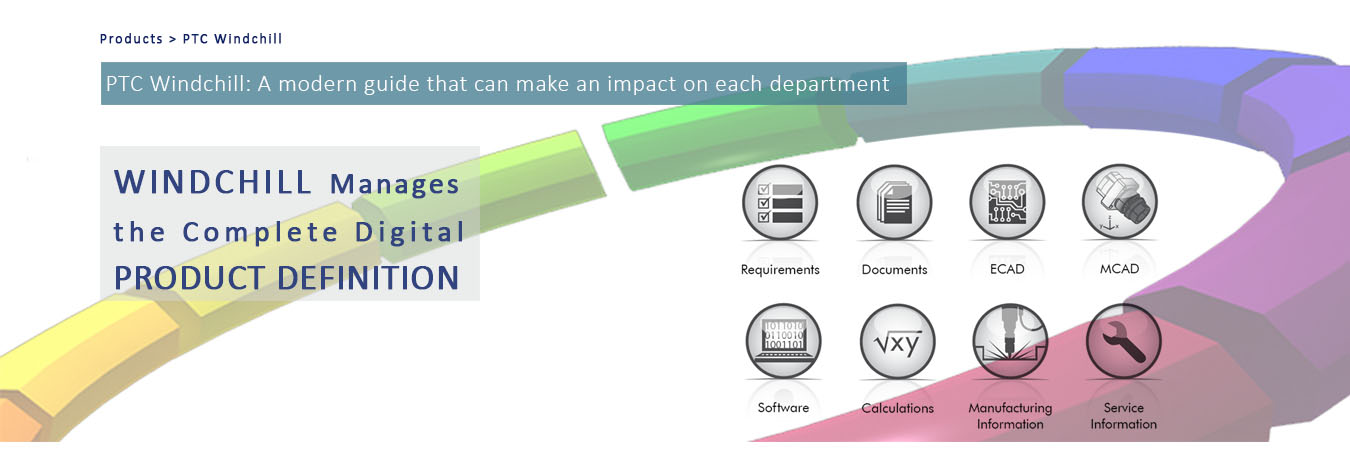
Set up a single system of record to support diverse data needs.
PLM Software imagines a future where accurate information is available to those who need it, when they need it, and in a way that they can use to make effective decisions quickly.
- Intelligently integrated information is the key to delivering the right information to the right people.
- Future-proof architecture is the key to making sure that the information you receive is in a form you can use.
- A high-definition user experience is the key to making decisions effectively.


Solutions
Services
Trainings
About Us